

The Cultural Phenomenon of Lotería
Lotería is more than just a game; it's a vibrant tapestry of history and culture that binds generations together. Originating in Italy during the 15th century, Lotería found a special place in the hearts of Mexicans, evolving over centuries to become a celebrated national pastime.001game
The Origins of Lotería
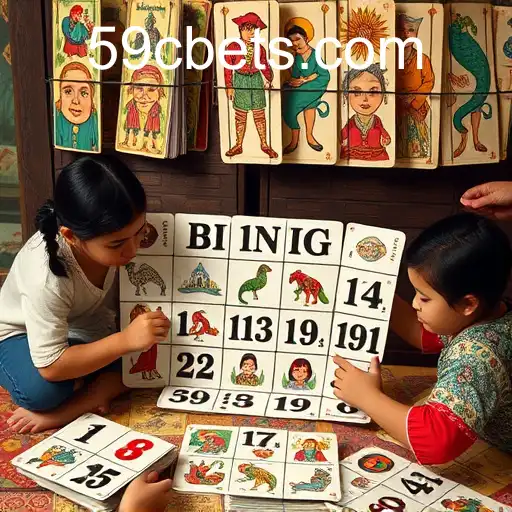
Lotería, the Spanish word for 'lottery,' is akin to Bingo. Each player uses a tabla, a board displaying a 4x4 grid of images, each associated with a unique number or name. A deck of 54 cards, each featuring colorful illustrations, forms the heart of the game. The caller announces which card is drawn from the deck, and players mark their boards. Winning requires forming a pre-determined pattern, usually in the shape of a line, by marking the announced images on their tabla.222o
Lotería's Cultural Significance
While the mechanics of Lotería may resemble Bingo, the cultural essence sets it apart. The imagery featured on the cards is deeply rooted in Mexican culture. From 'El Diablito' (The Little Devil) to 'La Sirena' (The Mermaid), each card is a piece of folk art that tells a story. This symbolism is an integral part of the game's allure, making it not just a pastime but a celebration of Mexican identity.9Nbet
The Artistry Behind Lotería
The artistry of Lotería cards is one reason the game remains emblematic. Don Clemente Jacques, a French entrepreneur, is credited with the popularization of the modern Lotería set in the late 19th century. His version, known as 'Lotería Don Clemente,' became the most recognized form of the game. The vibrant illustrations captured scenes of everyday Mexican life, fusing cultural icons and mythical figures. Today, these images continue to resonate, with artists reimagining them to reflect contemporary themes.
Lotería as a Familial Bond
Across Mexico and in Mexican-American communities, playing Lotería is a cherished family tradition. It's a game often gathered around during fiestas and family gatherings, serving as a conduit for community interaction and family bonding. The game transcends language barriers, often played with humorous banter and storytelling, solidifying its role as a staple of festive occasions.359jogo
Impact on Modern Culture
In recent years, Lotería has seen a resurgence in popularity, spurred by its nostalgic appeal and the cultural pride it fosters. This renaissance is reflected in various forms such as digital apps, merchandise, and educational tools. This has introduced Lotería to new audiences worldwide, bridging the gap between tradition and modernity while keeping the cultural significance intact.
Lotería's Educational Role
One profound aspect of Lotería is its educational utility. Educators leverage its engaging format to teach Spanish, explore cultural themes, and foster discussions on history and identity. The game serves as an interactive medium, bringing lessons to life through its vibrant imagery and narrative style. Thus, Lotería is not just an entertaining activity but an educational tool bridging generations with valuable insights into culture and heritage.77R
The Future of Lotería
As we look to the future, Lotería continues to evolve. Artists, educators, and digital innovators are reshaping the game to reflect contemporary issues while preserving its cultural roots. There is a growing trend of customizing tablas and cards to address social topics, making Lotería a powerful medium of expression. Despite these modern twists, the game retains its core identity—a celebration of community, culture, and shared history.
Lotería is an enduring symbol of Mexican heritage, illustrating how games can transcend mere pastime to become cultural icons. Through its artistic imagery and social impact, Lotería inspires pride and nostalgia, continuing to captivate hearts across generations.